How To Turn Bridge Practice Into Better Tournament Results
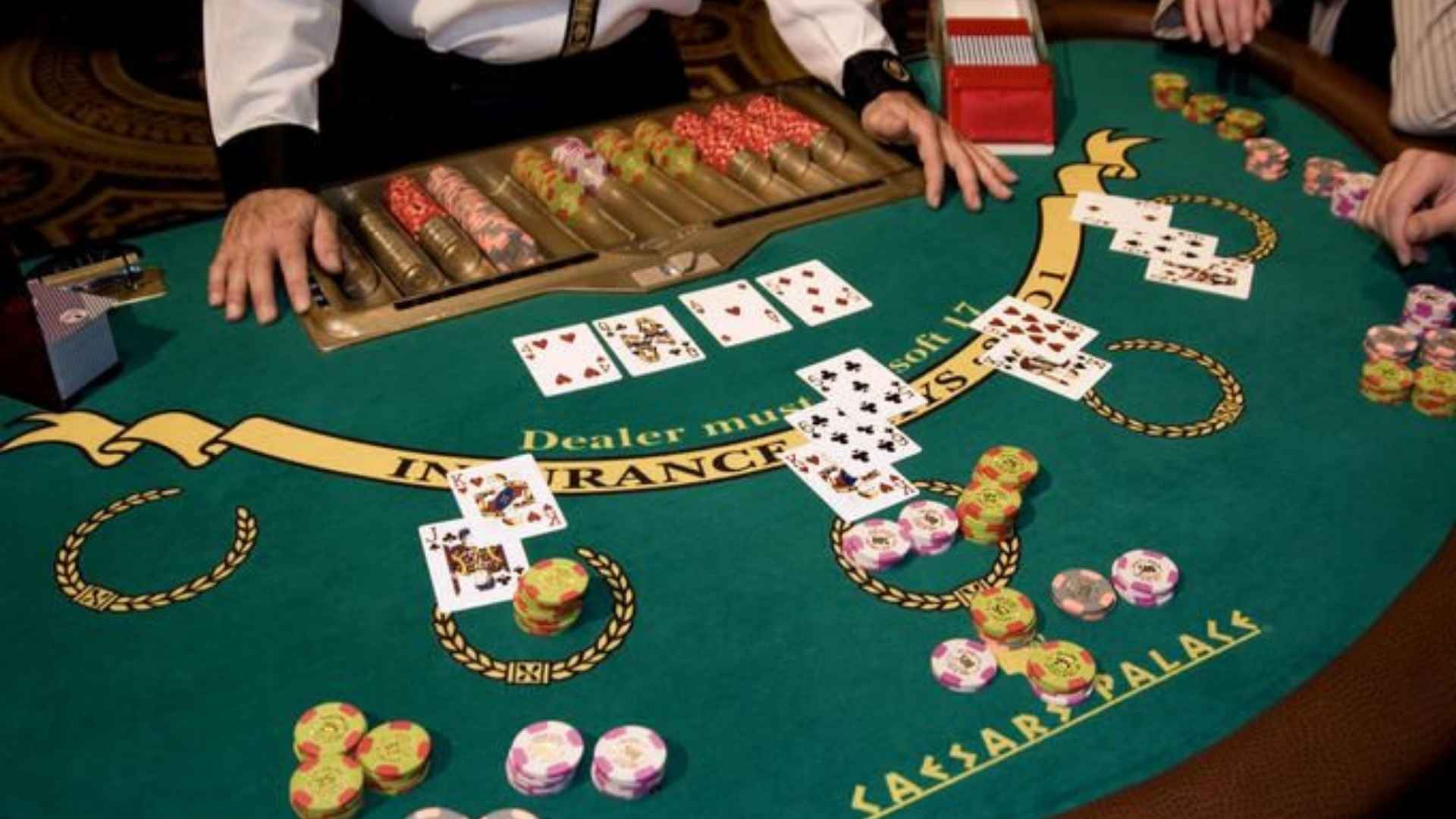
Transitioning from casual bridge sessions to structured tournament play often presents a significant challenge for ambitious players. While regular practice builds familiarity with the rules, converting those hours into higher tournament scores requires intentional preparation and focused analysis. By refining how you review your games, you can bridge the gap between routine practice and competitive success.
Analyzing Post-Game Hands with Purpose
Simply playing dozens of hands every week will not automatically lead to better tournament placements without dedicated review. After every practice session, take time to evaluate critical decision points alongside your partner to identify underlying mistakes. Focusing on bidding accuracy and defensive choices helps turn repeated errors into valuable learning opportunities.
Using digital tracking tools or hand records allows partnerships to recalculate theoretical trick outcomes with accuracy. Comparing your actual line of play against optimal solutions highlights subtle flaws in card evaluation and timing. Over time, this analytical habit sharpens your strategic intuition during high-pressure tournament conditions.
Simulating Real Tournament Conditions
Casual practice often lacks the strict time limits and psychological tension experienced during multi-day competitive events. To build mental stamina, simulate official tournament conditions during your training sessions by using strict bidding clocks and limited table discussion. Practicing under realistic conditions prepares your mind for the fatigue that often sets in during late tournament rounds.
Developing emotional resilience is equally essential when facing unfamiliar opponents and unexpected distribution shapes. Many players take breaks between intensive study blocks to refresh their focus by engaging in entertainment options or checking out m88 - m thể thao updates online. Maintaining steady composure prevents one bad board from disrupting your performance for the rest of the match.
Establishing Clear Partnership Agreements
Miscommunication between partners remains one of the primary reasons solid bridge practice fails to yield strong tournament scores. Spend dedicated practice time reviewing your system notes, defensive signaling conventions, and competitive bidding agreements. A well-aligned partnership executes bids with confidence, reducing unforced errors when facing aggressive opposing styles.
Documenting specific scenarios ensures both players share identical expectations during tricky competitive auctions. Regularly updating your system card based on recent match experiences removes ambiguity and strengthens trust. Clear coordination allows both players to focus entirely on tactical execution rather than guessing partner intentions.
Tracking Metrics to Measure Growth
To ensure your practice remains effective, establish measurable benchmarks that extend beyond simple win or loss records. Track specific performance metrics such as contract fulfillment rates, opening lead accuracy, and defensive trick retrieval over multiple sessions. Reviewing quantitative data offers objective feedback on whether your current training methods are delivering tangible results.
Consistently monitoring your progress helps identify specific weaknesses that require targeted study or expert guidance. Adjusting your practice routines based on performance data ensures continuous adaptation as tournament competition becomes tougher. Structured tracking ultimately transforms routine effort into steady competitive advancement.